
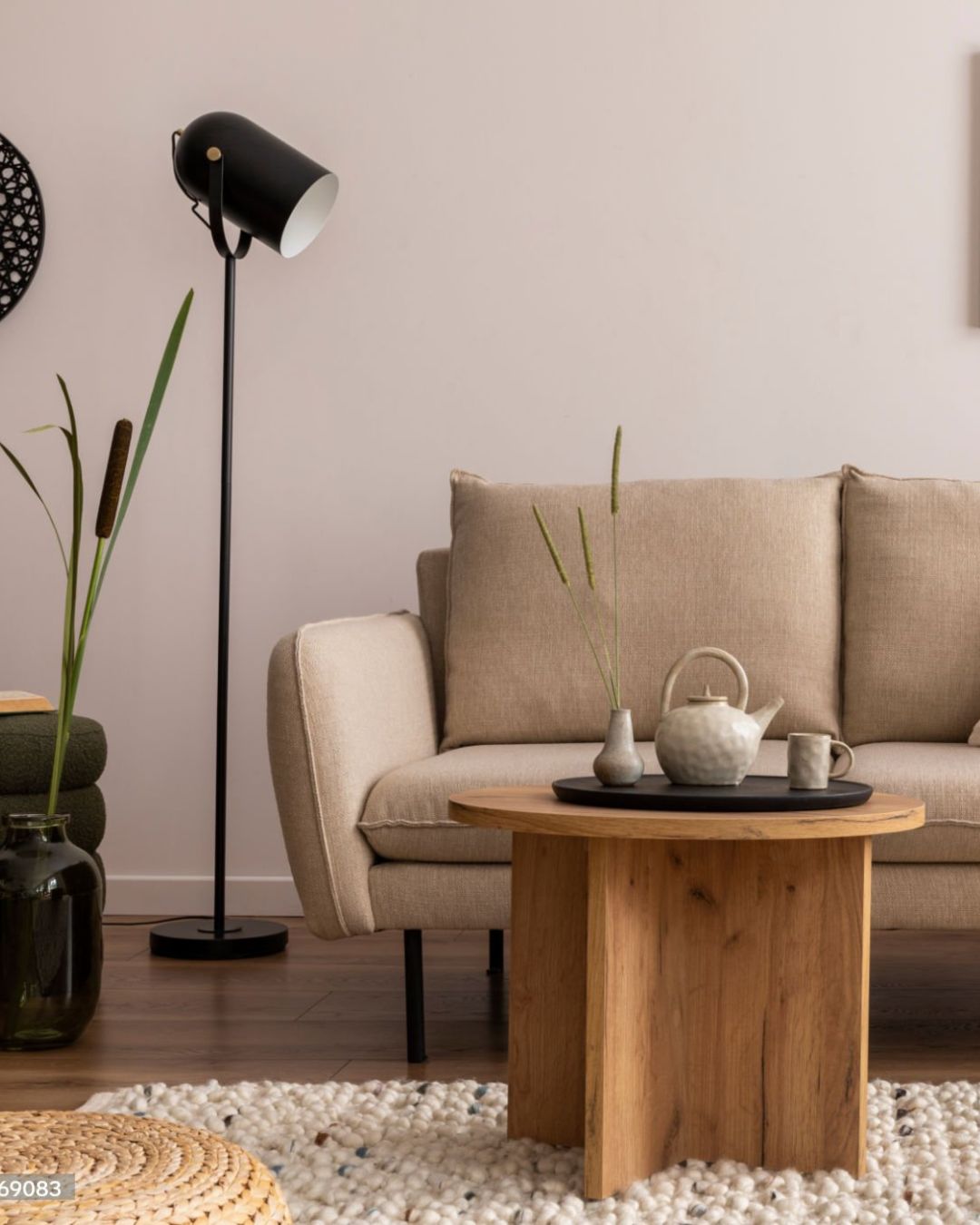
Arranging furniture in a small living room can feel overwhelming. Every piece matters, and one wrong placement can make the entire space feel cramped. But when furniture is arranged intentionally, even a tiny living room can feel open, balanced, and functional.
Before buying anything new, the smartest move is learning how to use the space you already have.
If you’re still defining your overall style, you might want to explore these small living room decor ideas to create a cohesive look before finalizing the layout.
Furniture arrangement is less about filling space and more about creating flow.
1. Start With the Focal Point
Every living room needs a focal point. In small spaces, this is usually:
- The TV
- A window
- A fireplace
- A statement wall
Arrange your largest piece (usually the sofa) facing or anchoring that focal point.
Avoid placing furniture randomly. The room should feel oriented toward something intentional.
If you’re still deciding on the overall structure of your space, this guide on the best layout for a small living room can help you visualize different arrangements before moving furniture.
2. Measure Before Moving Anything
Small living rooms demand precision.
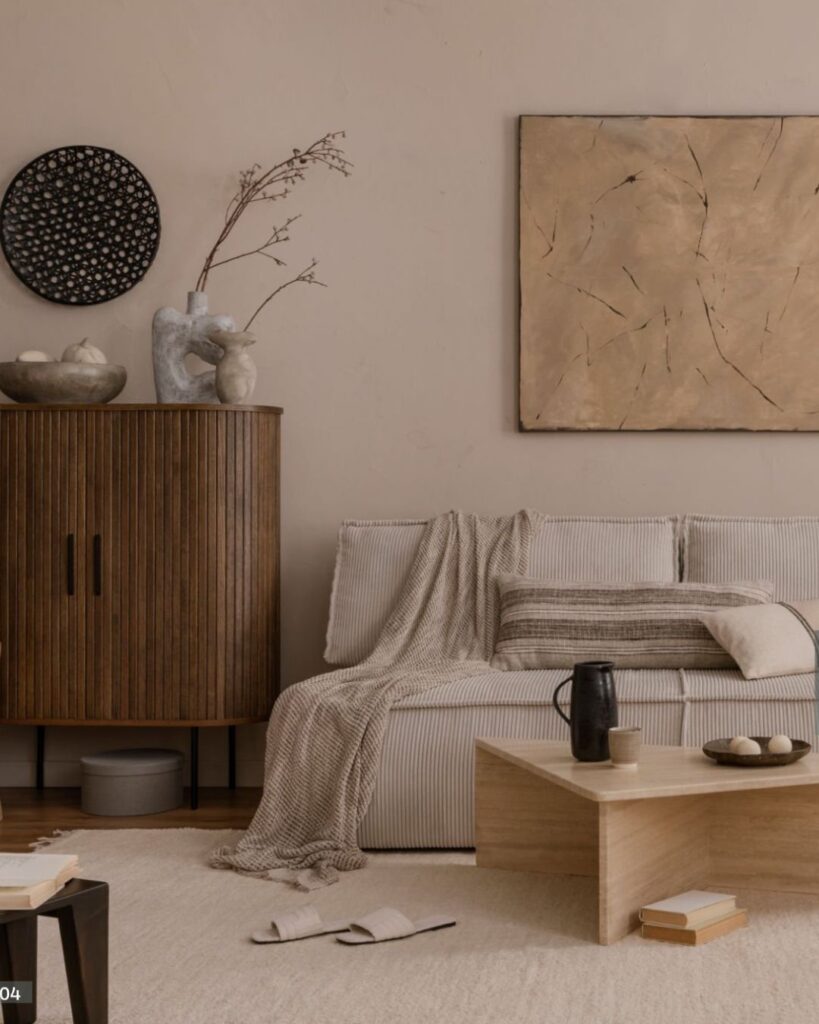
Leave:
- At least 24 inches for walkways
- 14–18 inches between sofa and coffee table
- Enough clearance for doors and drawers
Measuring prevents frustration and ensures balance.
Plan Your Layout on Paper First
Before moving heavy furniture, sketch your living room on paper or use a simple floor planning app. Mark:
- Doors and windows
- Radiators or fixed elements
- Electrical outlets
- Main walkways
This prevents trial-and-error frustration and helps you see where furniture naturally fits. Even a rough drawing improves decision-making.
If your room feels awkward, try rotating the layout 90 degrees on paper. Sometimes a simple shift changes everything.
3. Float the Sofa When Possible
Pushing everything against the wall is not always the best solution.
Floating the sofa slightly:
- Defines the seating zone
- Improves circulation
- Makes the layout feel deliberate
This works especially well in rectangular rooms.
If you’re exploring different layouts, the ideas in this guide to the best layout for a small living room can help you visualize better placement strategies.
4. Choose the Right Size Furniture
Oversized sofas are the most common mistake in small living rooms.
Instead:
- Choose slim arms
- Avoid bulky recliners
- Consider armless chairs
- Opt for raised legs to create visual space
Proportion matters more than style..
Once your layout feels balanced, the next step is adding smart storage solutions that don’t overcrowd the room.
5. Use Rugs to Anchor the Space
A rug defines the seating area and prevents furniture from feeling scattered.
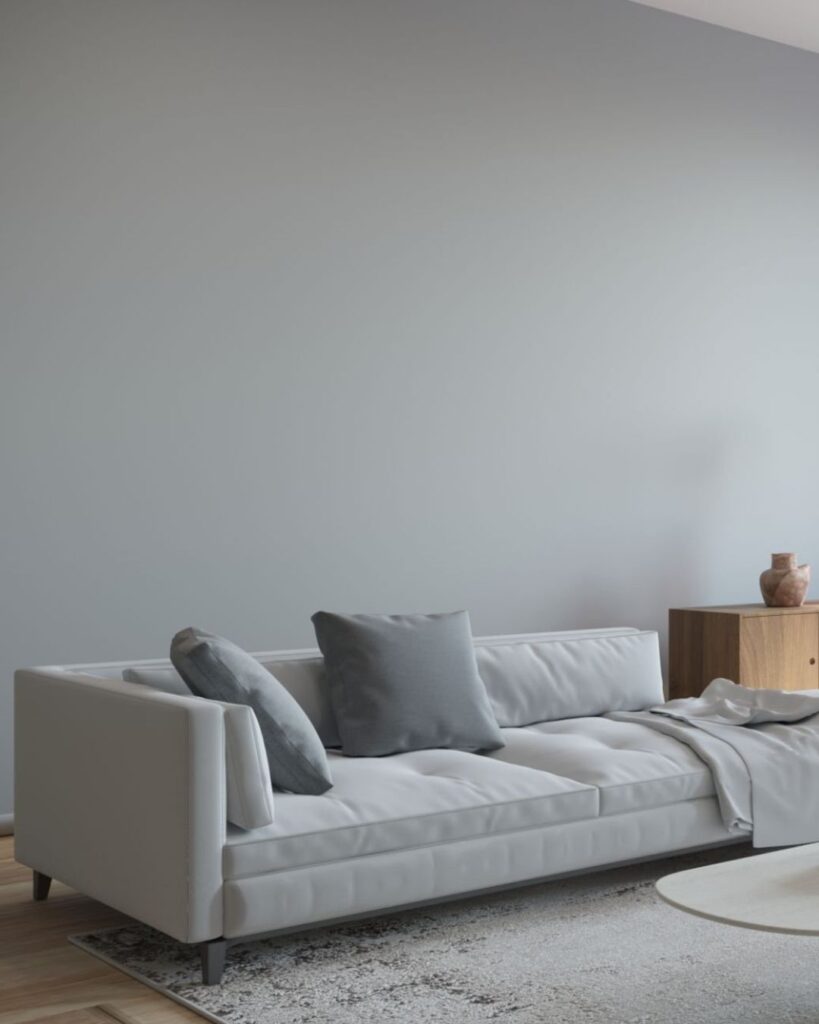
Make sure:
- The front legs of the sofa sit on the rug
- The rug is large enough to connect the seating pieces
A rug that’s too small makes the room feel fragmented.
Once your furniture placement is clear, refining the overall look with these small living room decor ideas will help bring balance and personality to the space.
6. Keep Walkways Clear
Traffic flow is everything in a small room.
Arrange furniture so people can move naturally without squeezing between pieces.
Avoid:
- Blocking entryways
- Narrow diagonal pathways
- Overcrowding corners
A clear path automatically makes the room feel larger.
7. Use Corners Strategically
Corners are often underused.
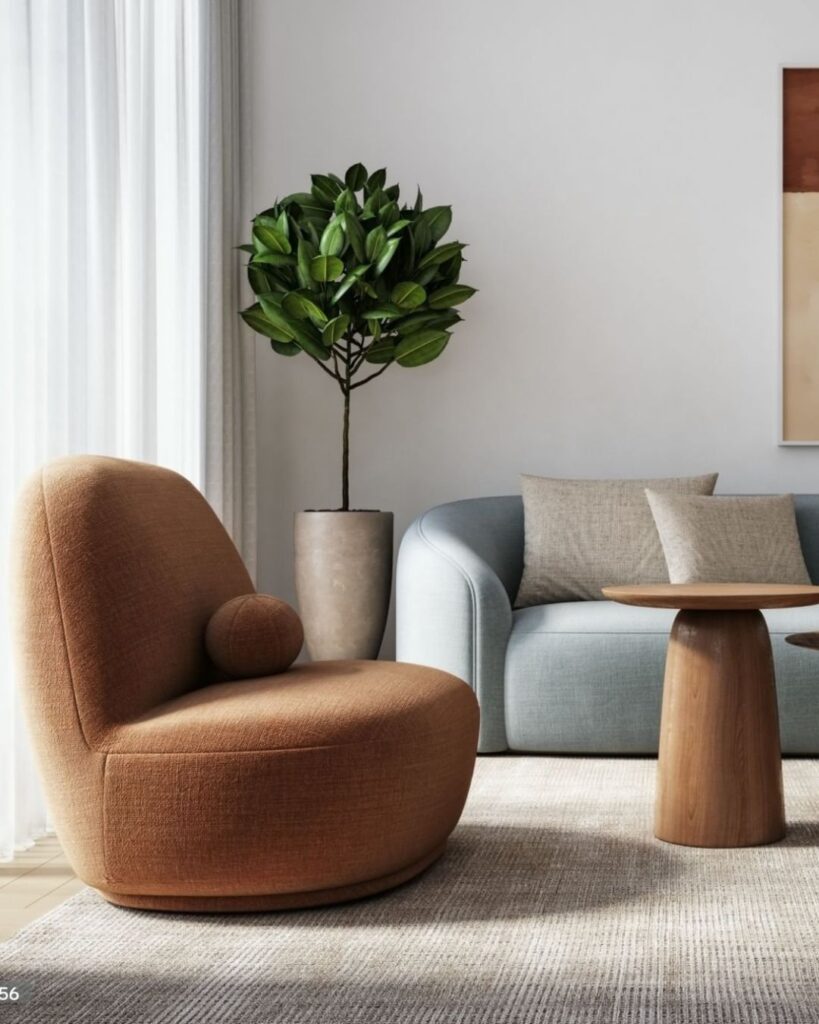
You can place:
- A compact accent chair
- A floor lamp
- A small storage unit
This balances the room without crowding the center.
8. Avoid Too Many Small Pieces
Small rooms don’t need many tiny tables.
Instead of:
- Multiple side tables
- Extra stools
- Decorative stands
Use one functional piece that serves multiple purposes.
Less clutter equals better flow.
In small apartments, arranging furniture thoughtfully in the living room should also align with the rest of the home. These cozy bedroom decor ideas for small apartments can help you maintain a consistent style throughout.
9. Arrange Furniture for Conversation
If your living room isn’t just for watching TV, arrange seating to encourage interaction.
Angle chairs slightly toward the sofa.
Keep seating within 8 feet of each other.
Even in small apartments, layout can support connection.
If you’re designing multiple areas in your home, coordinating layout decisions with your bedroom helps create harmony. These cozy bedroom decor ideas for small apartments can help maintain balance throughout the space.
10. Edit and Re-Evaluate
Once everything is arranged, step back.
Ask:
- Is the room easy to move through?
- Does anything feel oversized?
- Is there unnecessary furniture?
Sometimes removing one piece makes the biggest difference.
Common Furniture Arrangement Mistakes
Avoid these frequent errors:
- Buying furniture before measuring
- Blocking natural light
- Using rugs that are too small
- Overcrowding with decor
- Ignoring vertical space
Small adjustments create big impact.
How to Arrange Furniture in a Very Small Living Room (Under 150 sq ft)
When your living room is extremely small, every inch matters even more. In these spaces, the goal isn’t just comfort — it’s efficiency.
Start by identifying the absolute essentials. In most cases, that means:
- One sofa or loveseat
- One small coffee table (or nesting tables)
- One lighting source
- Minimal decor
Avoid adding furniture “just in case.” If you don’t use it weekly, it probably doesn’t belong in a very small living room.
Prioritize Open Floor Space
In ultra-compact rooms, visible floor space makes a huge difference. Furniture with exposed legs helps create this effect. Raised sofas, slim consoles, and light wood finishes visually reduce heaviness.
Avoid:
- Bulky recliners
- Deep sectionals
- Heavy dark wood pieces
Use Angles Carefully
Sometimes placing a chair slightly angled toward the sofa improves both flow and conversation. However, avoid dramatic angles that waste corner space.
Keep Furniture Close, Not Spread Out
In large rooms, spreading furniture apart works. In very small rooms, it creates awkward gaps. Keep seating pieces closer together so the space feels intentional and cohesive.
Edit Regularly
Small living rooms benefit from frequent editing. If the space starts to feel crowded, remove one piece before rearranging everything.
A very small living room can still feel comfortable — but only when furniture placement supports movement and daily habits.
Quick Furniture Arrangement Checklist
Before finishing:
✔ Clear walkway
✔ Proper scale
✔ Defined seating area
✔ Balanced lighting
✔ Minimal clutter
Layout Adjustments for Different Room Shapes
Not every small living room is the same. Your furniture arrangement should adapt to the room shape.
Long and Narrow Rooms
Place the sofa along the longest wall, and keep pathways clear on one side only. Avoid splitting the room down the middle.Square Rooms
Use a corner sofa or position seating symmetrically around a central rug.Open-Plan Apartments
Let the sofa act as a divider between living and dining areas. This defines space without adding walls.Adjusting layout to shape prevents wasted space and improves flow instantly.
Final Thoughts
Learning how to arrange furniture in a small living room isn’t about copying a picture online. It’s about understanding your space, your habits, and your priorities.
When furniture placement supports movement, comfort, and balance, the room will naturally feel bigger — even if the square footage never changes.