
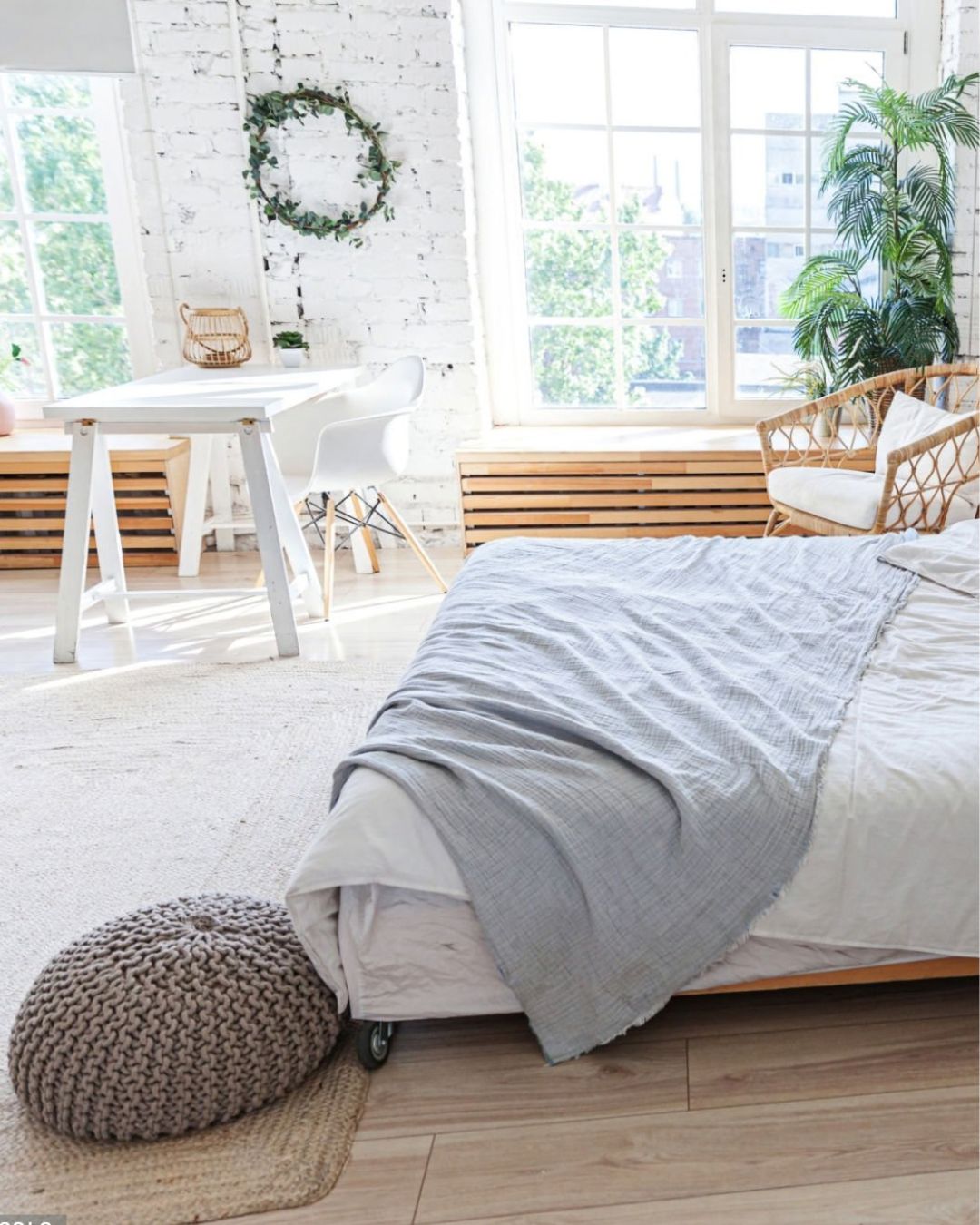
Designing a studio apartment layout can feel complicated at first. When everything happens in one open room, it becomes difficult to create separation between living, sleeping, and working areas. Without a clear structure, the apartment can easily feel cluttered and chaotic.
But with the right layout strategy, even the smallest studio apartment can feel organized and comfortable. The secret is to think about zones, traffic flow, and visual balance rather than simply filling the room with furniture.
Many of the ideas used in small living room layouts apply here as well, but studio apartments require an extra layer of planning because every activity happens in the same space.
Let’s explore layout ideas that actually work in real studio apartments.
If you’re still defining the overall style of your space, these studio apartment decor ideas can help create a cohesive look before finalizing the layout.
1. The Classic Sofa Divider Layout
One of the most popular layouts in studio apartments uses the sofa as a divider between the sleeping and living zones.
Instead of pushing the sofa against a wall, place it facing the TV or focal point while its back separates the living area from the bed.
This creates two clear zones:
• Living area in front of the sofa
• Sleeping area behind it
The result feels structured without building walls.
A console table behind the sofa can add storage and reinforce the division.
2. The Bed Nook Layout
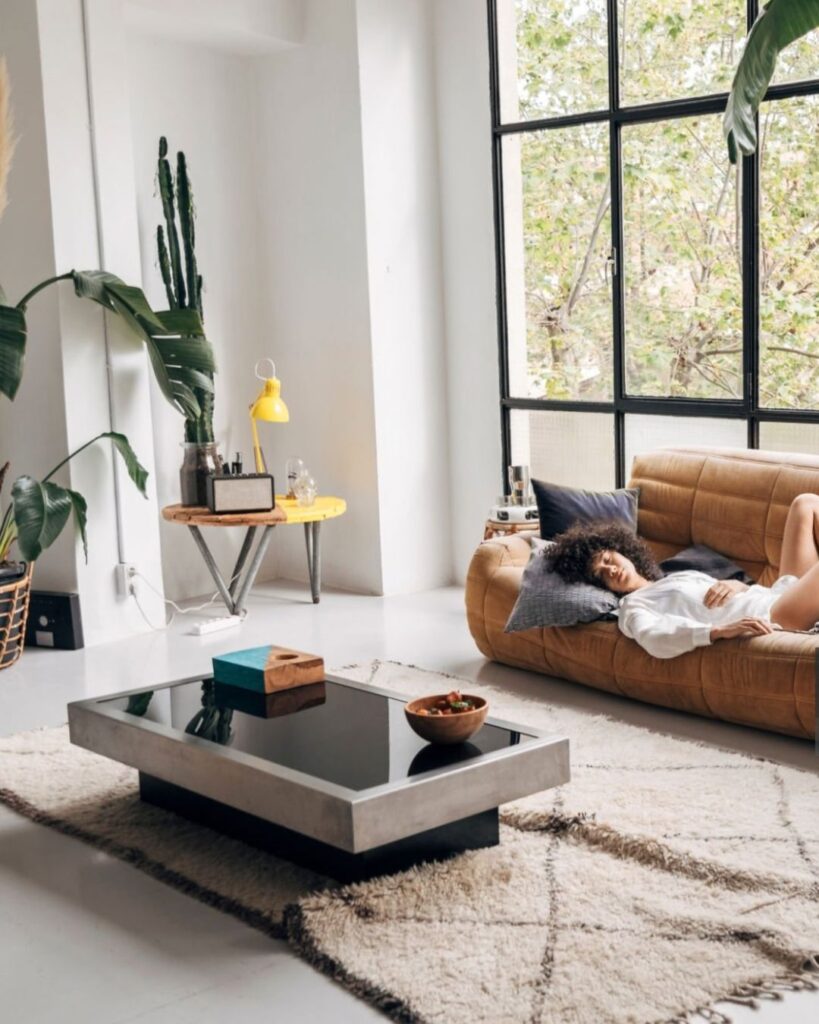
If your studio apartment has a corner or alcove, you can transform that area into a dedicated sleeping nook.
Place the bed in the corner and use:
• curtains
• shelving
• a folding screen
to create partial separation.
This layout works particularly well in rectangular studios because it keeps the sleeping zone away from the main entrance.
3. The Open Lounge Layout
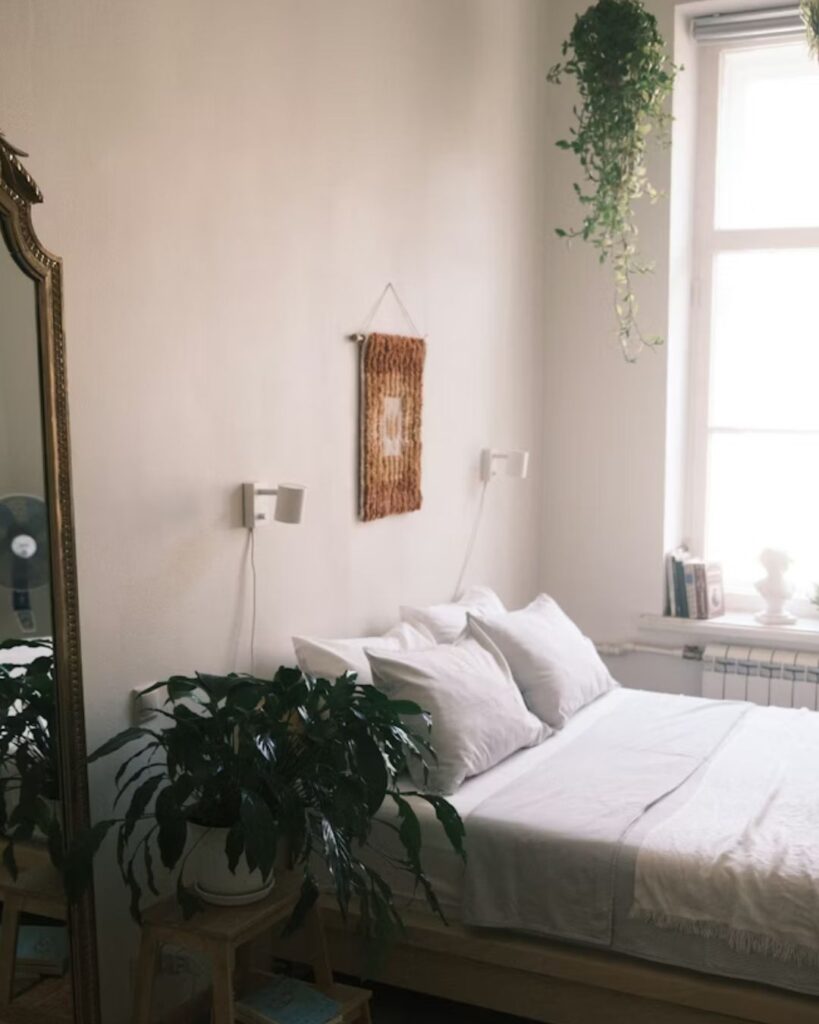
Some studio apartments feel best when the layout stays open and minimal.
In this layout:
• the sofa sits against the wall
• the bed remains visible
• the room uses rugs to define zones
Rather than creating strong divisions, the apartment flows naturally from one function to another.
This layout works best in very small studios where adding separators would make the space feel crowded.
4. The Workspace Corner Layout
Remote work has made workspace integration essential.
A small desk can be added without overwhelming the apartment by placing it:
• next to a window
• behind the sofa
• along a short wall
Floating shelves above the desk keep the area functional without requiring extra furniture.
If you’re planning furniture placement carefully, these tips on how to arrange furniture in a small living room can help optimize your setup.
5. The Storage Divider Layout
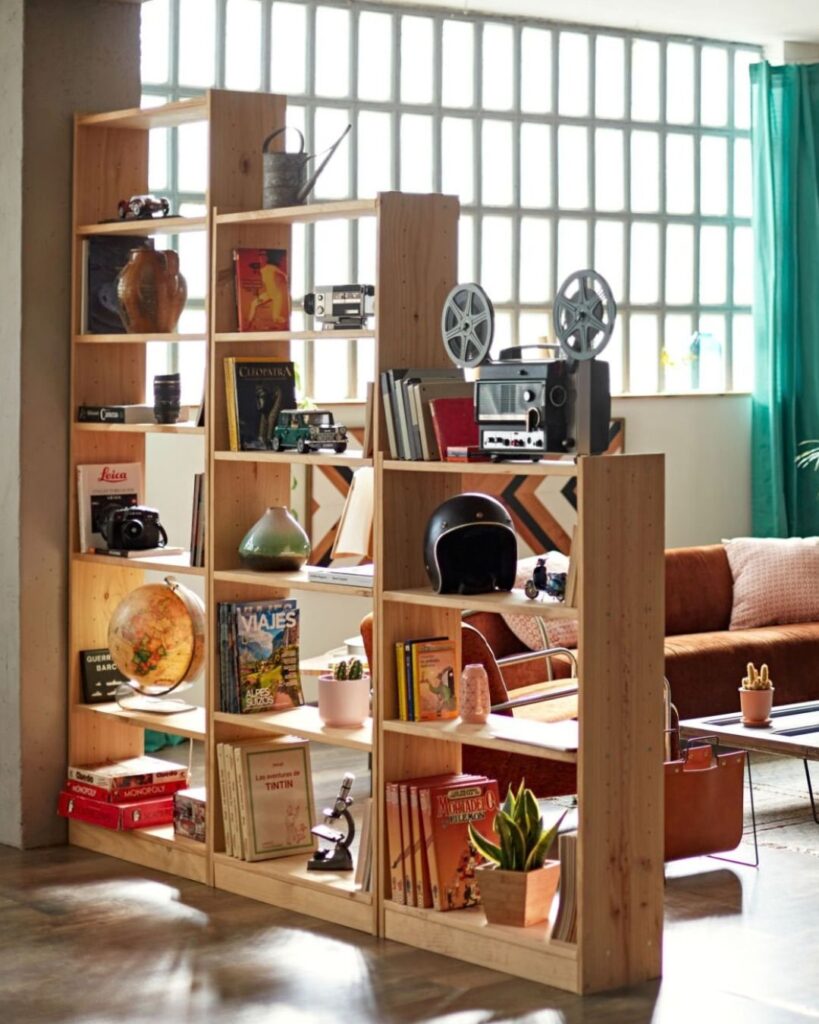
Storage furniture can act as a room divider.
Examples include:
• open bookshelves
• cube storage units
• ladder shelving
These pieces separate zones while still allowing light to travel through the room.
This solution is especially helpful in apartments under 500 square feet where storage is limited.
Combining layout and storage strategies with these small living room storage ideas can dramatically improve functionality.
Many of the same principles used when learning how to arrange furniture in a small living room also apply to studio apartments.
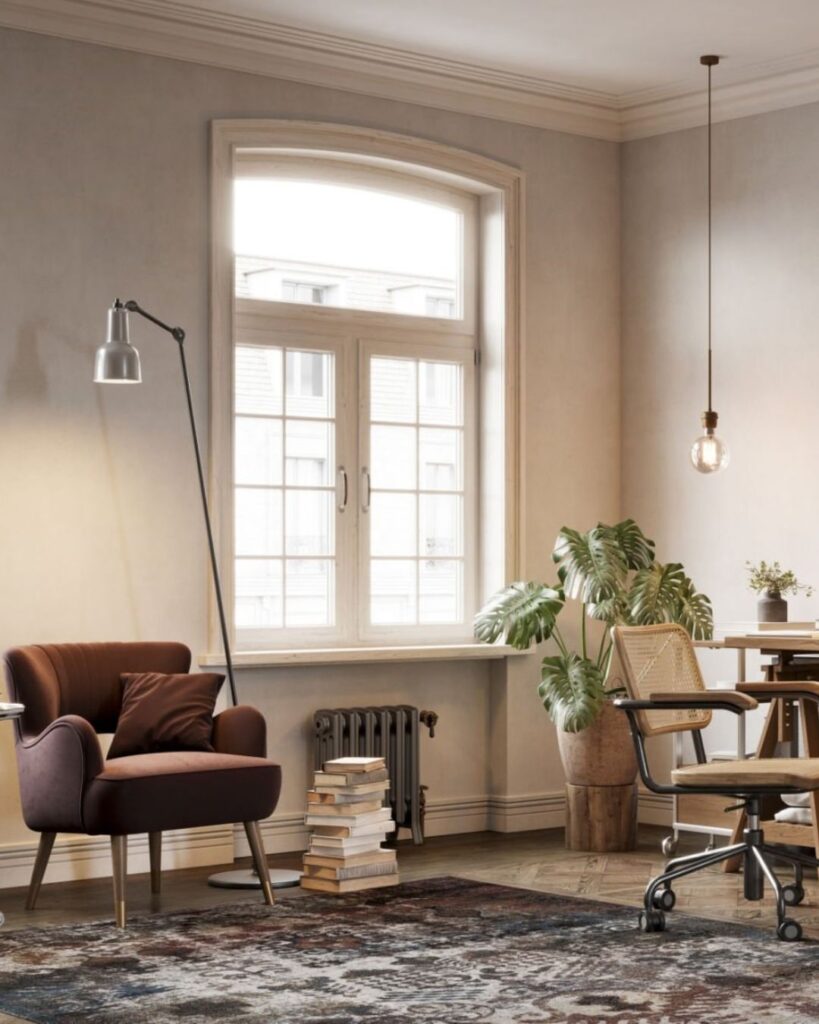
6. The Window-Focused Layout
Natural light is one of the biggest assets in small apartments.
Arrange your living zone near the window to maximize brightness.
This might mean placing:
• the sofa near the window
• a reading chair nearby
• the bed further from the light source
Keeping large furniture away from windows helps the entire apartment feel larger.
7. The Symmetrical Layout
If your studio apartment is square, symmetry can create balance.
For example:
• bed centered against one wall
• sofa centered opposite
• coffee table in the middle
Balanced layouts often feel calmer and more intentional.
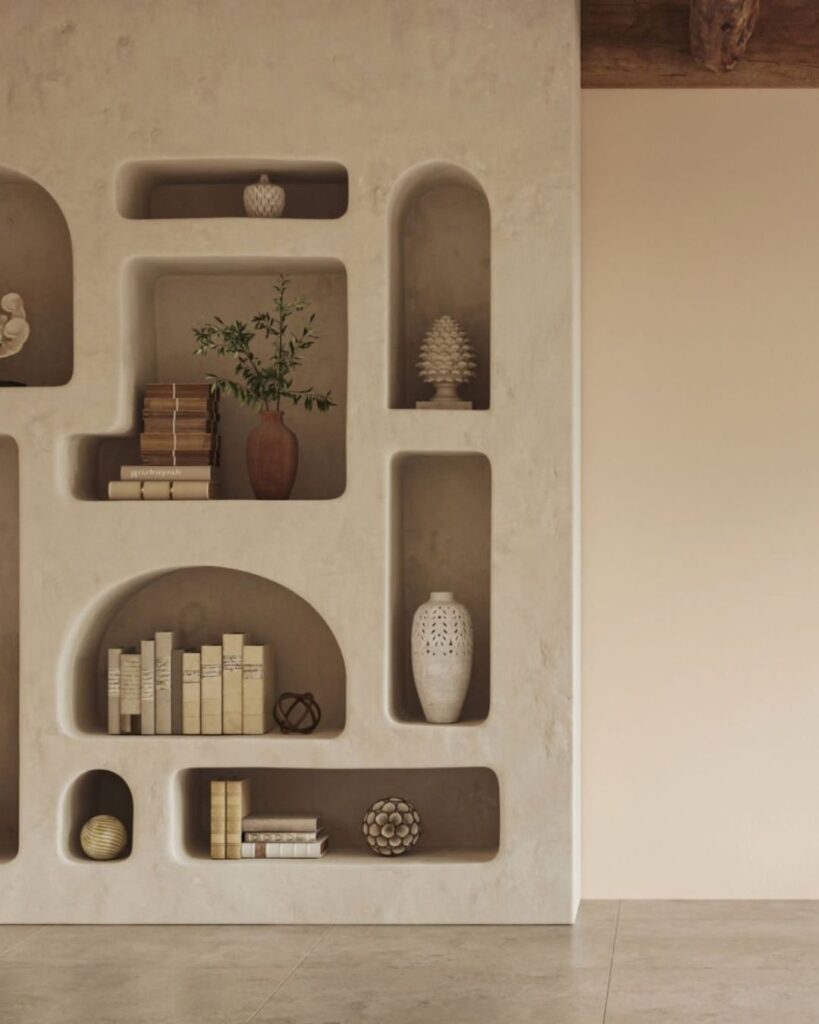
8. The Minimal Layout
Sometimes the best layout involves using less furniture.
In ultra-small studios, try limiting the space to:
• one sofa or loveseat
• one small coffee table
• one bed
• one storage piece
Too many items disrupt the flow and make the apartment feel cluttered.
Understanding the best layout for a small living room can also inspire better zoning in studio apartments.
9. The Multi-Zone Layout
Larger studio apartments can support three zones:
- Living area
- Sleeping area
- Work or dining area
Each zone can be defined using rugs, lighting, or furniture placement.
This approach prevents the apartment from feeling like a single undefined room.
10. The Corner Living Layout
Another effective strategy is placing the living area in one corner and the sleeping area in another.
The center of the room remains open, improving movement and making the space feel larger.
This layout works well when the entrance sits in the middle of the apartment.
Studio Apartment Layout Mistakes to Avoid
Even good furniture can fail if the layout is wrong.
Avoid:
• oversized sectionals
• blocking natural light
• placing furniture randomly
• overcrowding corners
• ignoring traffic flow
Proportion and spacing matter more than decoration.
Layout Planning Tips
Before moving furniture, measure your space.
Maintain:
• at least 24 inches of walkway space
• 14–18 inches between sofa and coffee table
• clear pathways from entrance to window
Planning prevents unnecessary rearranging.
Studio Apartment Layout Checklist
✔ Defined zones
✔ Clear walkways
✔ Balanced lighting
✔ Minimal clutter
✔ Proportional furniture
Final Thoughts
A well-planned studio apartment layout makes a huge difference in daily comfort.
Instead of trying to make the apartment feel larger than it is, focus on creating structure within the space you have.
When zones are clear and furniture placement supports movement, the apartment naturally feels more spacious and organized.
Studio living is not about limitations — it’s about intentional design.