
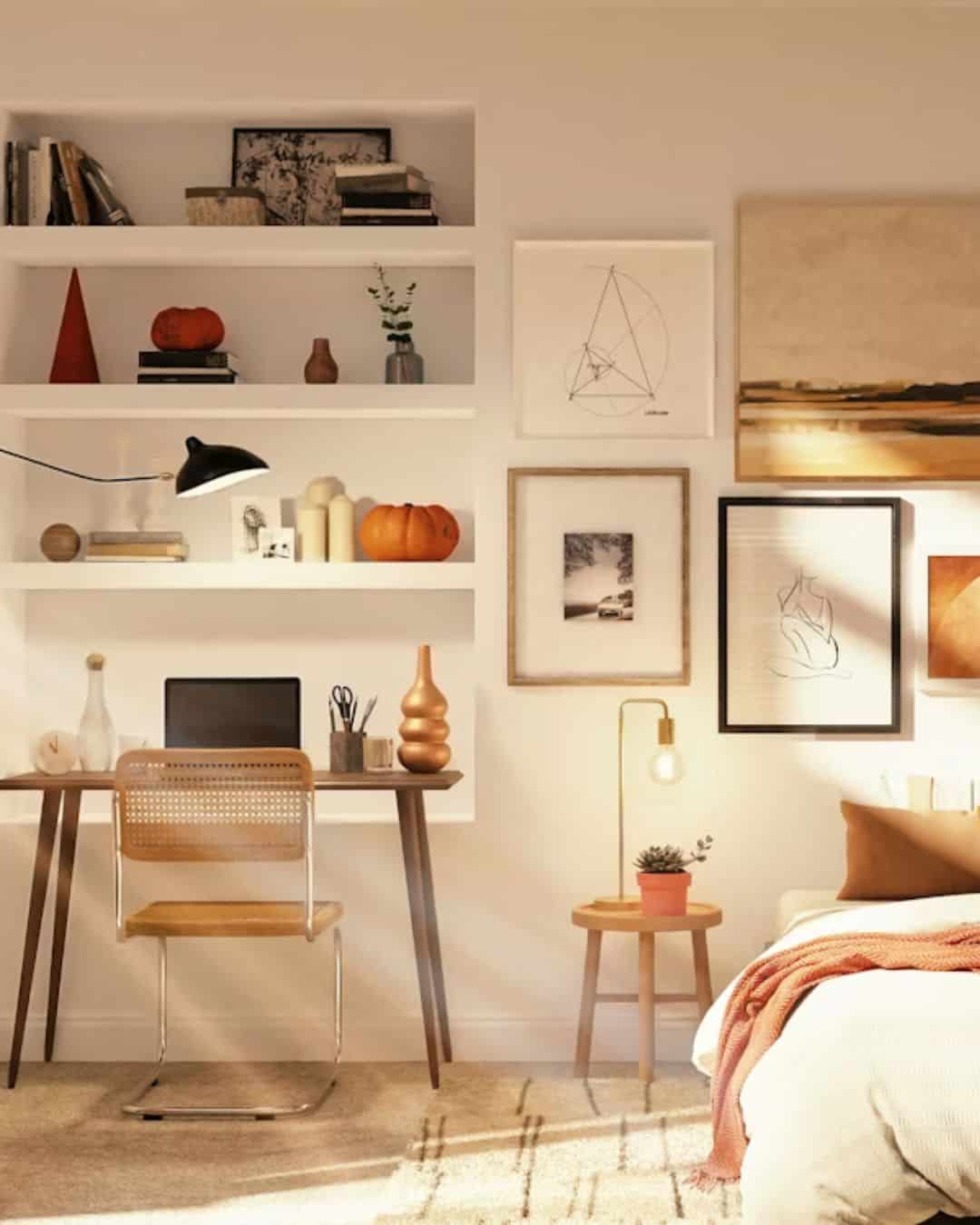
A small living room can feel either cozy and intentional — or cramped and chaotic. The difference is almost always storage.
When space is limited, clutter builds up faster than you expect. A few books on the coffee table, a couple of throw blankets, remote controls, cables, decorative items, kids’ toys, paperwork — suddenly the room feels smaller without you adding a single piece of furniture.
The good news is this: you do not need custom cabinetry, built-ins, or renovation to fix it. Smart storage is about placement, proportion, and intentional choices.
If your furniture layout still feels awkward, it helps to first review how to arrange furniture in a small living room so your storage works with your flow — not against it.
Let’s break down real, practical storage ideas that actually work in small apartments and compact homes.
Before adding new storage solutions, make sure your space has the right foundation. Reviewing the best layout for a small living room can help you understand how storage should support flow rather than block it.
1. Start With a Storage Audit (Before Buying Anything)
Before adding new storage pieces, take inventory of what’s currently in your living room.
Ask yourself:
- What actually belongs here?
- What could live in another room?
- What do I use daily?
- What is purely decorative?
In small living rooms, every object must justify its presence.
Often, you’ll discover that 20–30% of the clutter doesn’t even need to be stored — it just needs to be removed.
Editing first prevents you from overbuying storage furniture that makes the room feel heavier.
2. Choose Furniture With Hidden Storage
Hidden storage is the most powerful tool in a small living room.
Look for:
- Storage ottomans
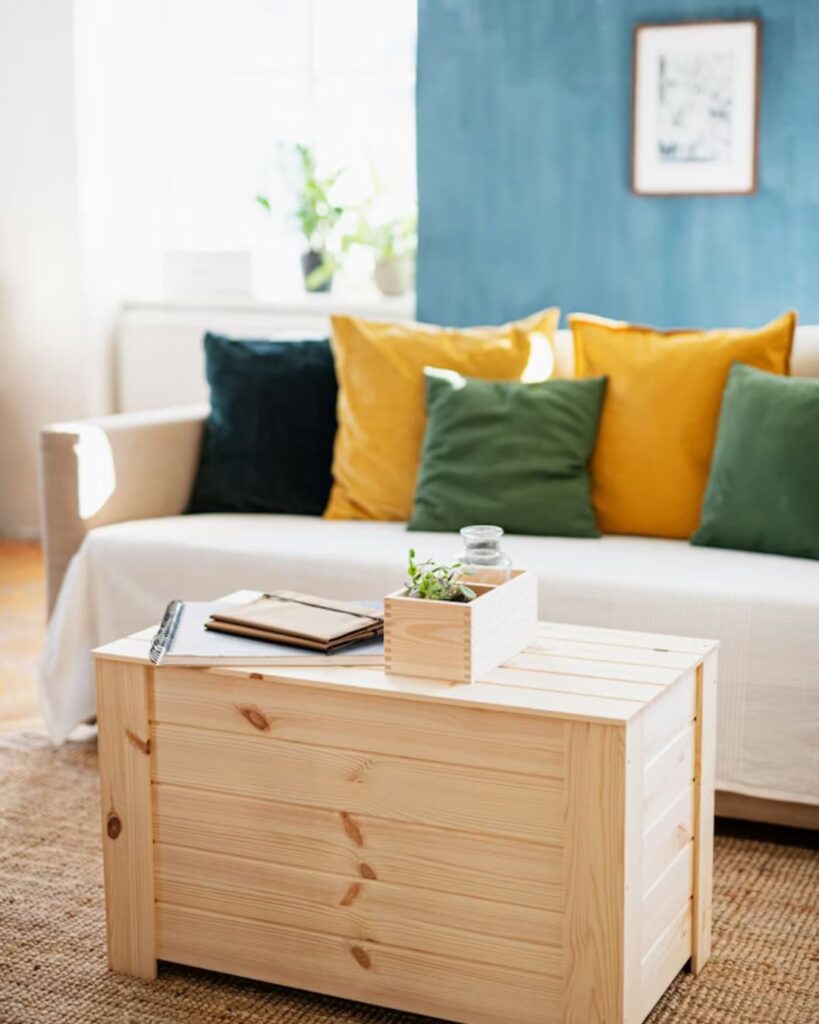
- Lift-top coffee tables
- Benches with compartments
- Sofas with hidden drawers
These pieces allow you to keep daily-use items close but invisible.
When surfaces remain clear, the room automatically feels larger.
The key is integration. Storage should feel like part of the furniture — not like an extra cabinet squeezed into a corner.
3. Use Vertical Space Intentionally
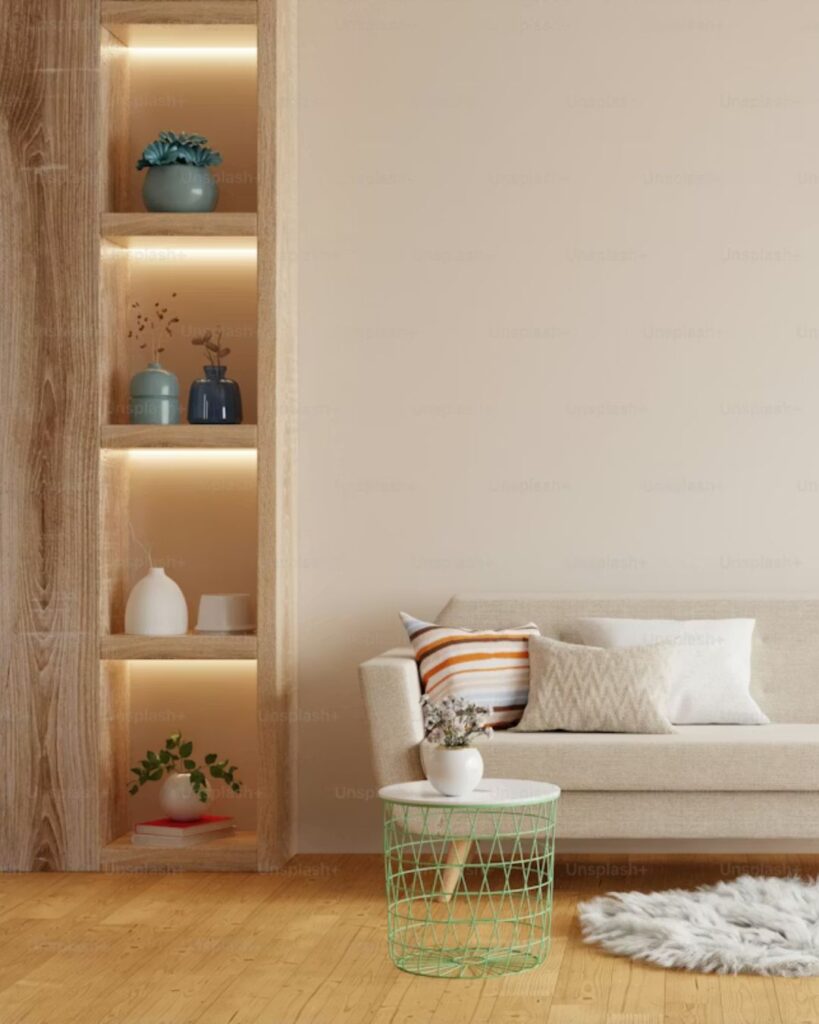
Floor space is limited. Wall space is opportunity.
Vertical storage:
- Draws the eye upward
- Makes ceilings feel taller
- Keeps pathways open
Install floating shelves above:
- Sofas
- Media consoles
- Reading chairs
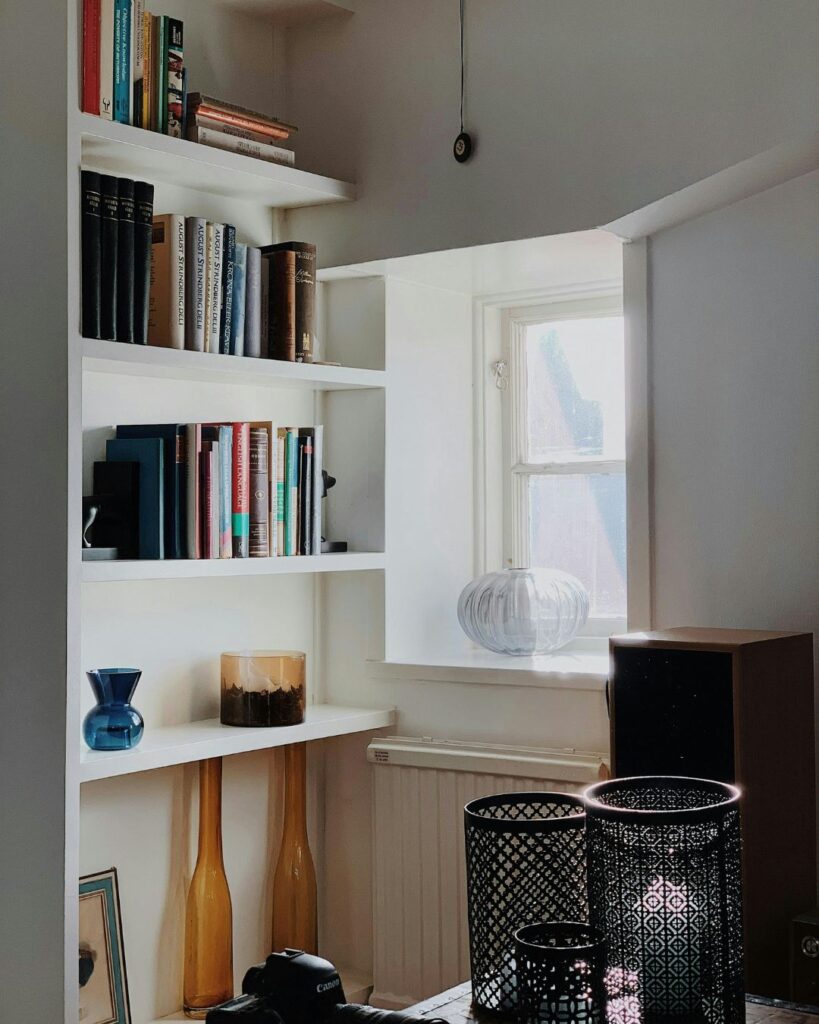
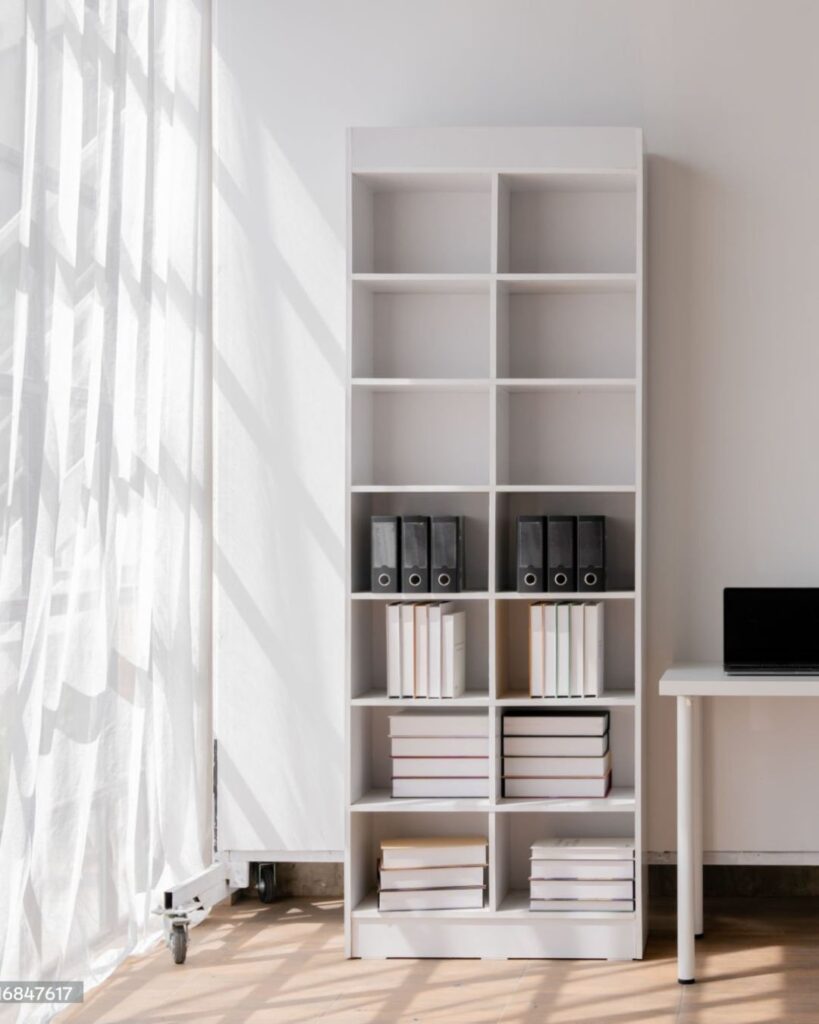
Tall, narrow bookcases work better than short, wide units in small living rooms.
If you’ve already optimized your layout using the best layout for a small living room, vertical storage will complement your setup without interrupting traffic flow.
Smart storage only works when furniture placement is intentional. If you’re unsure about positioning, this guide on how to arrange furniture in a small living room can help you optimize every square foot.
4. Use Slim Media Units (Or Wall-Mount the TV)
Bulky entertainment centers dominate small spaces.
Instead:
- Mount your TV
- Choose a console under 16 inches deep
- Opt for closed storage
Closed cabinets reduce visual noise. Open shelving can work, but only if styled minimally.
Cable management is also crucial. Visible wires instantly create clutter.
5. Maximize the Space Behind the Sofa
The area behind a sofa is often wasted.
If your sofa is floated slightly from the wall, add:
- A slim console table
- A narrow storage bench
- A shallow bookshelf
This creates storage without reducing walkable space.
In narrow rooms, this strategy maintains balance without pushing everything against walls.
6. Use Baskets for Soft Storage
Baskets are one of the easiest ways to organize without making the room feel rigid.
Use them for:
- Throw blankets
- Magazines
- Toys
- Extra pillows
Place them:
- Under a console table
- Next to the sofa
- Inside open shelving
Natural materials like woven seagrass or rattan keep the room warm and cohesive.
7. Rethink Your Coffee Table
Your coffee table should work harder in a small living room.
Look for:
- Lift-top designs
- Built-in drawers
- Lower shelving
If space is extremely tight, consider nesting tables that tuck away when not in use.
Avoid oversized, heavy wood coffee tables. Light wood or glass keeps things visually open.
8. Install Wall Hooks Strategically
Wall hooks aren’t only for entryways.
In small living rooms, they can hold:
- Lightweight bags
- Decorative hats
- Small hanging baskets
Used carefully, they reduce clutter on chairs and side tables.
But moderation matters — too many hooks create visual chaos.
9. Use Corner Storage Wisely
Corners are often underutilized.
Add:
- Corner shelving
- Slim vertical units
- Small accent cabinets
Avoid placing oversized cabinets in corners — they make the room feel boxed in.
10. Hide Everyday Tech Clutter
Remotes, routers, gaming consoles, chargers — these items quickly make a room feel messy.
Solutions:
- Drawer organizers
- Storage boxes inside consoles
- Cable management sleeves
- Wall-mounted router shelves
The goal is containment.
11. Keep Surfaces 70% Clear
In small rooms, visible surface area equals breathing space.
A good rule:
- Coffee table: 70% clear
- Console table: minimal styling
- Side tables: one lamp + one object
Overstyling is the enemy of small-space storage.
12. Create Zones in Open-Plan Spaces
In studio apartments or open layouts, storage can double as division.
Use:
- Low bookshelves
- Console tables
- Storage benches
These define areas without walls.
Once storage is under control, refining the overall style with these small living room decor ideas will help the space feel cohesive and inviting.
If you’re styling the rest of your apartment as well, these cozy bedroom decor ideas for small apartments can help you maintain visual consistency across rooms.
13. Avoid Common Storage Mistakes
Even good intentions can backfire.
Avoid:
- Oversized cabinets
- Too many open shelves
- Storage that blocks light
- Buying storage without measuring
- Mismatched containers
Proportion and cohesion matter more than quantity.
14. Storage by Living Room Shape
Long and Narrow Rooms
- Use tall storage at the short ends
- Keep walkways along one side
- Avoid deep cabinets
Square Rooms
- Balance storage across two sides
- Use corner shelving
- Avoid clustering heavy pieces on one wall
Small Open-Plan Living Rooms
- Use storage pieces that act as subtle dividers
- Keep visual lines open
Layout and storage must support each other.
15. The Minimalism Factor
Sometimes the best storage solution is subtraction.
Ask:
- Does this item add value?
- Is it purely decorative?
- Is it used weekly?
In small living rooms, less almost always feels better.
Small Living Room Storage Checklist
✔ Hidden storage furniture
✔ Vertical shelving
✔ Clear surfaces
✔ Organized media area
✔ Balanced proportions
✔ Edited decor
Final Thoughts
Small living room storage isn’t about squeezing more cabinets into tight spaces. It’s about intention.
When storage works with your layout — not against it — the room feels calmer, more spacious, and easier to live in.
You don’t need renovation.
You need strategy.
Real-Life Storage Scenarios: What Actually Works in Small Living Rooms
Theory is helpful, but real life is different. Small living rooms come with specific daily challenges. Let’s look at realistic situations and how to solve them without renovation.
Scenario 1: Small Living Room With Kids
When toys enter the living room, clutter multiplies fast.
The goal here is not perfection — it’s containment.
Solutions that actually work:
- One large lidded basket for daily toy rotation
- A storage ottoman that hides larger toys
- A low shelf with 3–4 labeled bins (not 10 small ones)
Too many small containers create more visual noise. Fewer, larger storage pieces feel calmer.
Keep toy storage in one defined area instead of spreading it across the room.
At the end of the day, everything goes back into one container. Simplicity wins.
Scenario 2: Small Living Room With No Closet
Many apartments lack extra storage closets. In that case, the living room often absorbs:
- Extra blankets
- Office supplies
- Seasonal decor
- Paperwork
In this situation:
- Use decorative storage boxes inside a console
- Dedicate one drawer to paperwork only
- Store off-season decor elsewhere (not in the living room)
Vertical closed cabinets can help, but keep them slim and light-colored to avoid visual heaviness.
Scenario 3: Tiny Apartment Under 500 Sq Ft
In ultra-small apartments, every item must serve multiple purposes.
Here’s what works:
- A storage bench instead of a coffee table
- Nesting stools that tuck under consoles
- Wall-mounted shelves above door frames
- Hooks behind doors
Avoid deep cabinets. Depth kills floor space.
Prioritize airflow and visible floor area — furniture with exposed legs helps maintain openness.
Scenario 4: Small Living Room That Doubles as Office
Many small living rooms now double as workspaces.
Instead of adding a bulky desk:
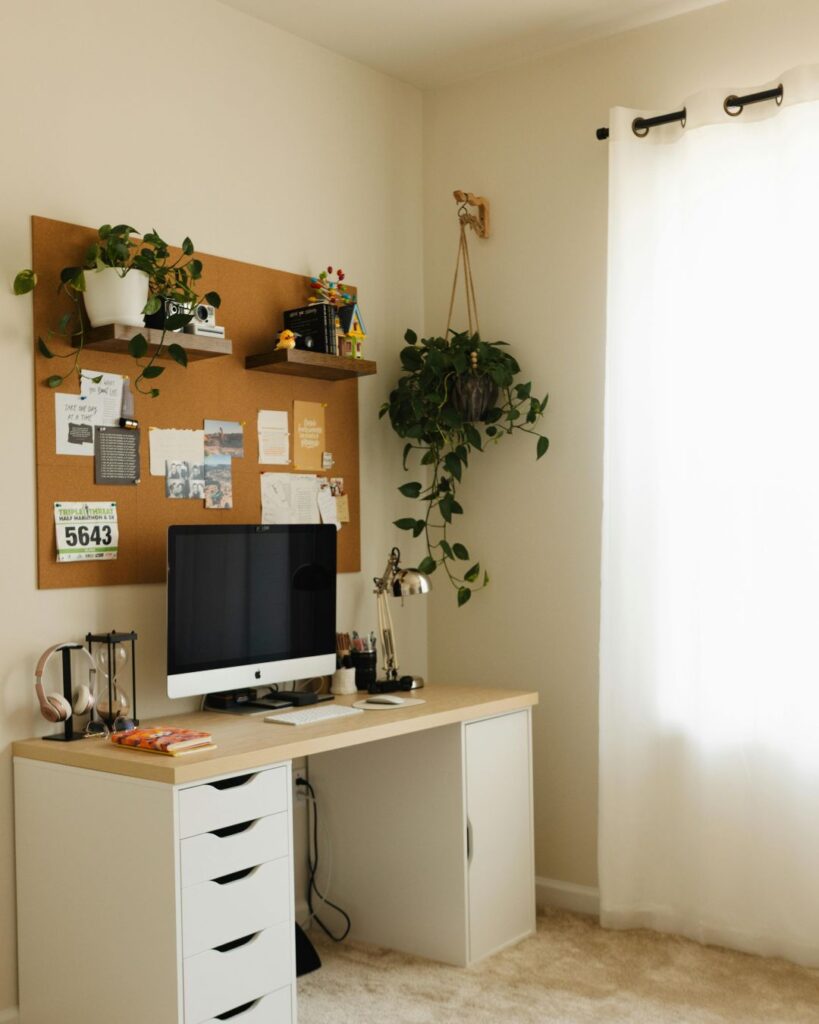
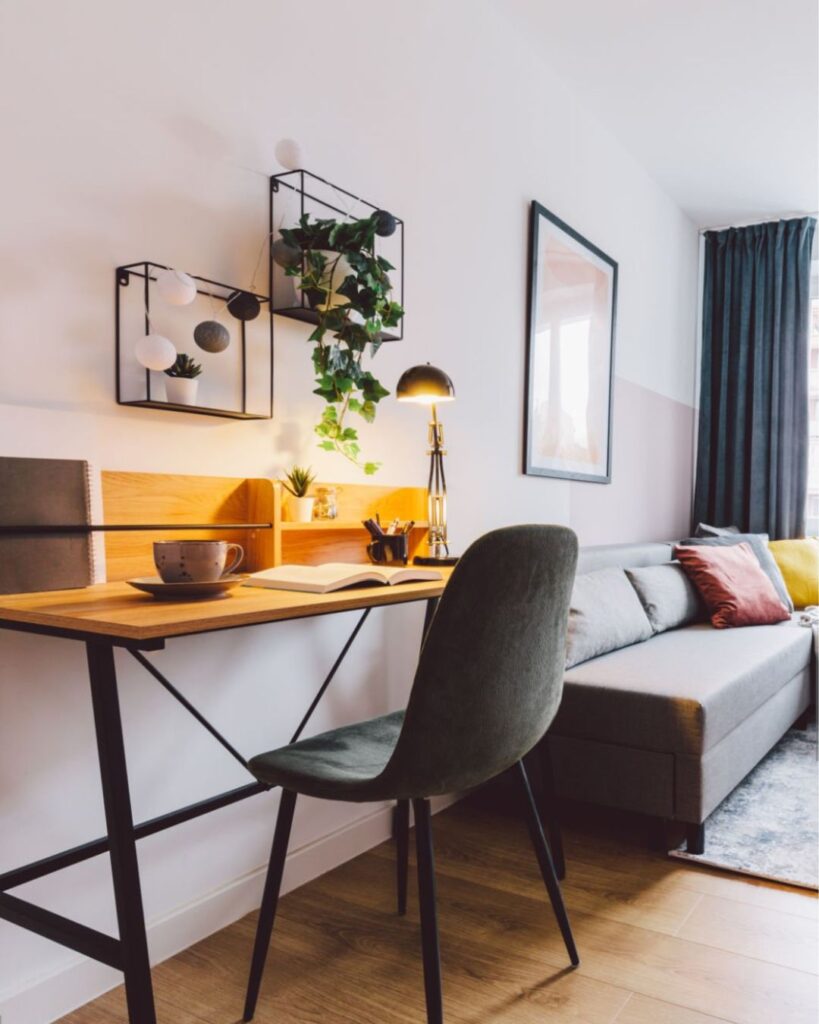
- Use a slim console table as a desk
- Choose a compact chair that tucks underneath
- Add one floating shelf above for work essentials
Keep work storage minimal and contained to one zone.
At the end of the day, clear the surface completely. Visual reset is essential in small rooms.
How to Maintain Storage Long-Term
Adding storage once is easy. Maintaining it is harder.
Adopt these habits:
- Weekly reset — clear surfaces every Sunday.
- One-in, one-out rule — if you add decor, remove something else.
- Seasonal declutter — rotate textiles and decorative pieces.
Small living rooms don’t tolerate accumulation well. Maintenance matters more than initial setup.
The Psychology of Visual Space
Storage isn’t only physical — it’s visual.
In small rooms:
- Open floor space feels calming.
- Symmetry creates balance.
- Matching storage containers reduce visual chaos.
- Light colors make storage feel lighter.
When your storage solutions visually blend into the room, the space feels intentional rather than crowded.
When to Add Storage — and When to Stop
More storage is not always the answer.
If your room feels crowded even after organizing, ask:
- Is the furniture oversized?
- Is the layout restricting flow?
- Are there too many decorative items?
Sometimes reviewing how to arrange furniture in a small living room again is more effective than adding new storage pieces.
Storage should support layout — not compensate for poor layout.
Storage Design Principles for Small Living Rooms
Keep these principles in mind:
- Proportion over capacity
- Closed storage over open clutter
- Vertical over horizontal
- Fewer, larger containers over many tiny ones
- Clear surfaces over decorative overload
Small rooms reward restraint.